
CAS 403-24-7 vs. 915087-24-0: Choosing the Right Apalutamide Intermediate
CAS 403-24-7 vs. 915087-24-0: Choosing the Right Apalutamide Intermediate
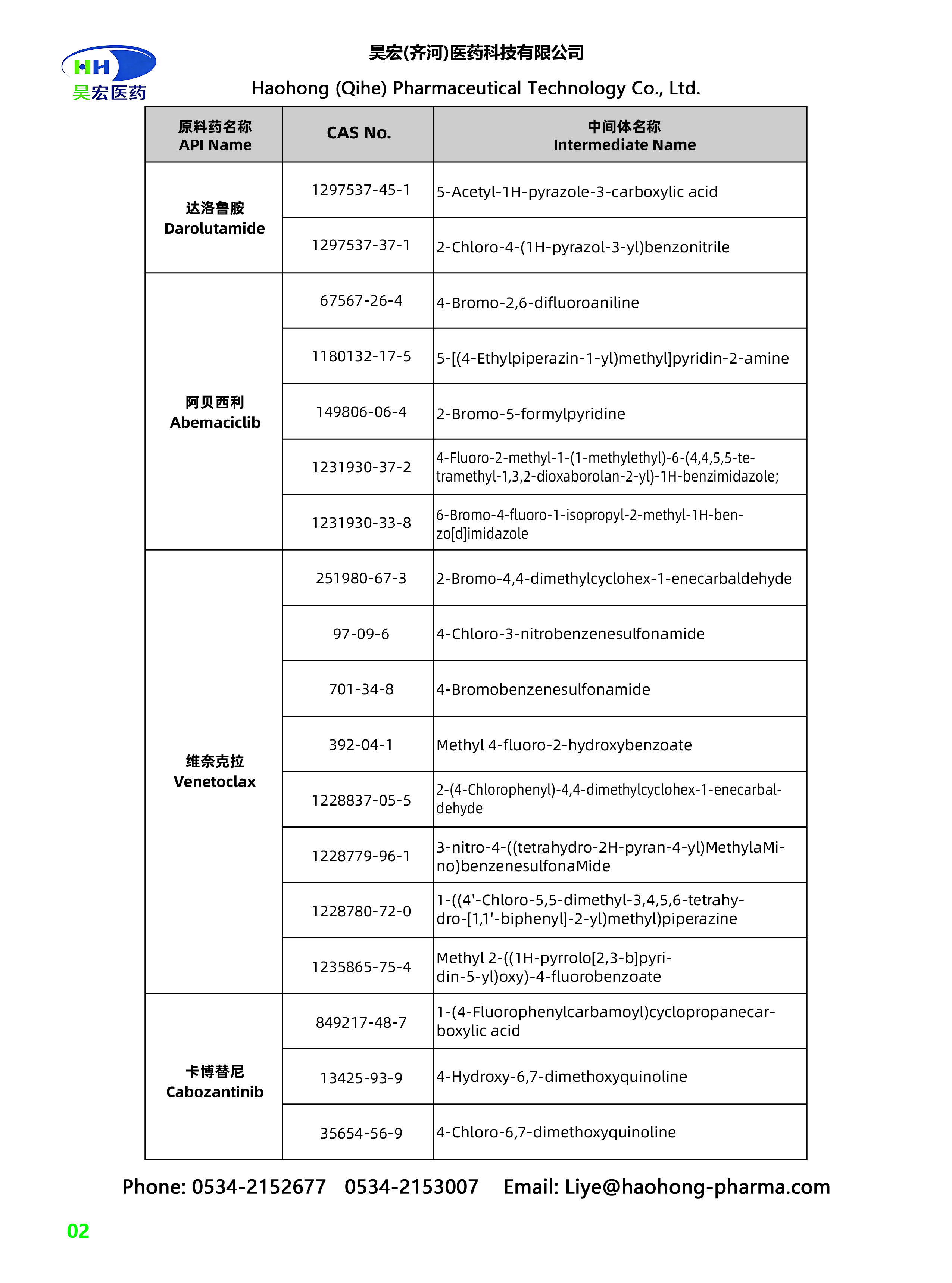
Pharmaceutical intermediates for apalutamide synthesis: comparing a direct acid building block with a pre-functionalized amide.
An apalutamide programme usually begins with a fluoronitro-aromatic purchasing decision: buy 2-Fluoro-4-nitrobenzoic acid (CAS 403-24-7) and form the amide downstream, or buy N-Methyl-2-fluoro-4-nitrobenzamide (CAS 915087-24-0) with that amide already built into the molecule. Both are legitimate pharmaceutical intermediates for the same API, both are normally traded against a ≥98% purity specification, and both are quoted per kilogram — which is exactly why the comparison so often produces the wrong conclusion.
A price-per-kilogram comparison hides three variables that decide real cost: the purity basis behind the number, the molecular weight used to convert kilograms into moles, and the number of downstream steps the buyer still has to own, validate and document. This article compares the two intermediates on those terms, explains where each one sits in an apalutamide route, and sets out a decision sequence buyers can run before requesting samples.
Problem Definition: Two Different Molecules, Not Two Grades of One Product
CAS 403-24-7 and CAS 915087-24-0 are two distinct chemical entities registered under two different CAS numbers. They share a fluoro-nitro aromatic core, but they differ in the functional group attached to that core — a free carboxylic acid in the first case, an N-methyl amide in the second. Because the functional groups differ, the molecular formulas differ, and the molecular weights differ as well. A purchasing system that treats them as interchangeable variants of “apalutamide intermediate” cannot compare them correctly.
The practical decision behind the comparison is simpler than the chemistry: how many synthesis steps does the buyer want to own? 2-Fluoro-4-nitrobenzoic acid is a direct building block. It arrives as the acid, and the buyer performs the subsequent transformations — including amide formation — inside their own route. N-Methyl-2-fluoro-4-nitrobenzamide is a pre-functionalized intermediate: the amide-forming step has already been completed by the supplier, so the buyer receives a molecule that sits one step closer to the API.
Three errors appear repeatedly when buyers compare these two intermediates:
- Comparing price per kilogram without a molar basis. A kilogram of one intermediate does not contain the same number of moles as a kilogram of the other, because the molecular weights differ. Cost per mole, not cost per kilo, is the figure that flows into a route cost model.
- Treating “≥98%” as a complete specification. A purity figure without the analytical method, the related-substance profile and the assay basis is not enough to judge whether a lot will behave in the next step.
- Ignoring the cost of the step the buyer keeps. Every transformation retained in-house carries equipment time, solvent, analytical control and documentation. That cost belongs on the same spreadsheet as the purchase price.
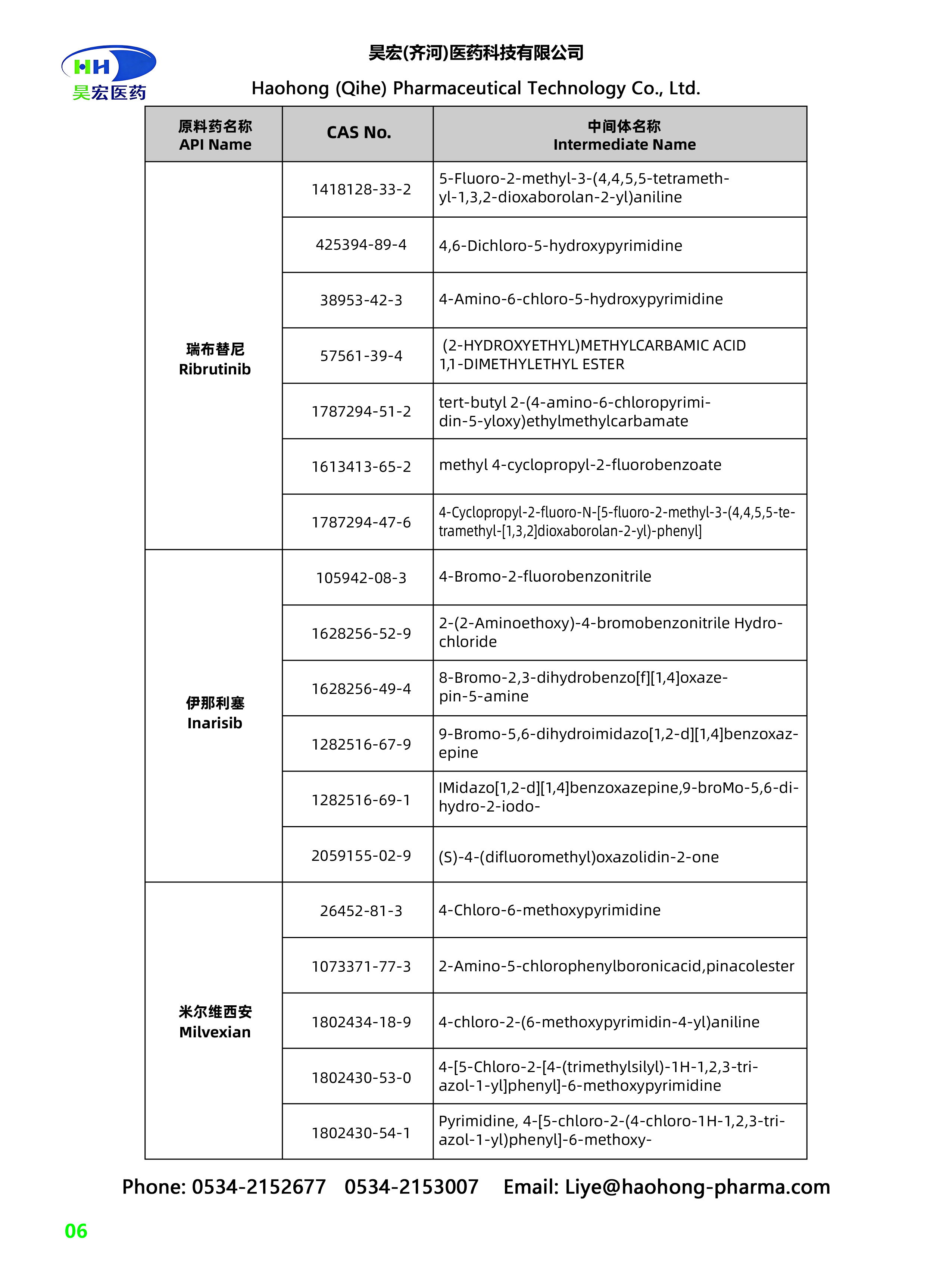
High-purity pharmaceutical intermediates: specification basis and documentation decide usability, not the catalogue listing alone.
Industry Background: Why Intermediate Selection Is Under More Scrutiny
The global pharmaceutical intermediates market was valued at approximately USD 37.04 billion in 2025 according to Precedence Research. That figure is directional rather than precise: Coherent Market Insights estimated USD 47.30 billion for the same year, and a divergence of that size is a reminder that market-size estimates vary by methodology. What matters more for a buyer is the segment structure underneath the headline. Oncology drug intermediates generated 37.20% of total industry revenue in 2025, driven in part by complex conjugate-based programmes, and North America represented 42.23% of global market value in 2024. China’s pharmaceutical industry total exports stood at USD 22.53 billion as of December 2024, which keeps Chinese intermediate producers structurally important to global supply.
Regulation shapes the choice as much as market size does. FDA’s ICH Q7 remains the primary Good Manufacturing Practice guidance written specifically for active pharmaceutical ingredients and their intermediates, so the further upstream an intermediate sits, the more the buyer has to define which controls apply at that stage. For products entering the European Union, pharmaceutical intermediates must comply with REACH registration when volumes exceed one tonne per year, even though API-related exemptions exist. Buyers who compare two intermediates without checking documentation readiness are comparing only half of the delivered cost.
Supply reliability has become a parallel criterion. Delayed delivery is a recurring pattern across the intermediate sector, and a route that stops because a kilogram-scale lot arrived late costs more than a slightly higher quoted price. That is why evaluation increasingly includes stock policy and restocking discipline alongside purity and price.
The Detailed Comparison: Direct Building Block vs. Pre-Functionalized Amide
Both intermediates are valid entry points for an apalutamide route. They differ in how much chemistry the buyer performs and in what has to be controlled at the point of delivery.
CAS 403-24-7 — 2-Fluoro-4-nitrobenzoic acid
2-Fluoro-4-nitrobenzoic acid is the acid-form building block. The buyer receives a carboxylic acid function that must be converted downstream — typically through activation and amide formation — before the route continues toward the API. Choosing this intermediate suits organisations that already have the amide-forming step validated, prefer to control that step’s yield and impurity profile themselves, or can run it at a lower cost than the premium charged for a pre-functionalized material. The trade-off is scope: more steps in-house means more analytical methods, more solvent handling and more process documentation inside the buyer’s own quality system.
CAS 915087-24-0 — N-Methyl-2-fluoro-4-nitrobenzamide
N-Methyl-2-fluoro-4-nitrobenzamide is the pre-functionalized amide. The N-methyl amide group is already present when the material arrives, so the buyer starts one step further down the route. This suits programmes where the amide-forming step is a bottleneck, where the in-house route is not yet validated, where the volume is too small to justify dedicated equipment time, or where the regulatory timeline favours fewer in-house transformations to qualify. The trade-off is commercial: a pre-functionalized intermediate carries the supplier’s cost of that step, so the price per mole is normally higher than for the acid form.
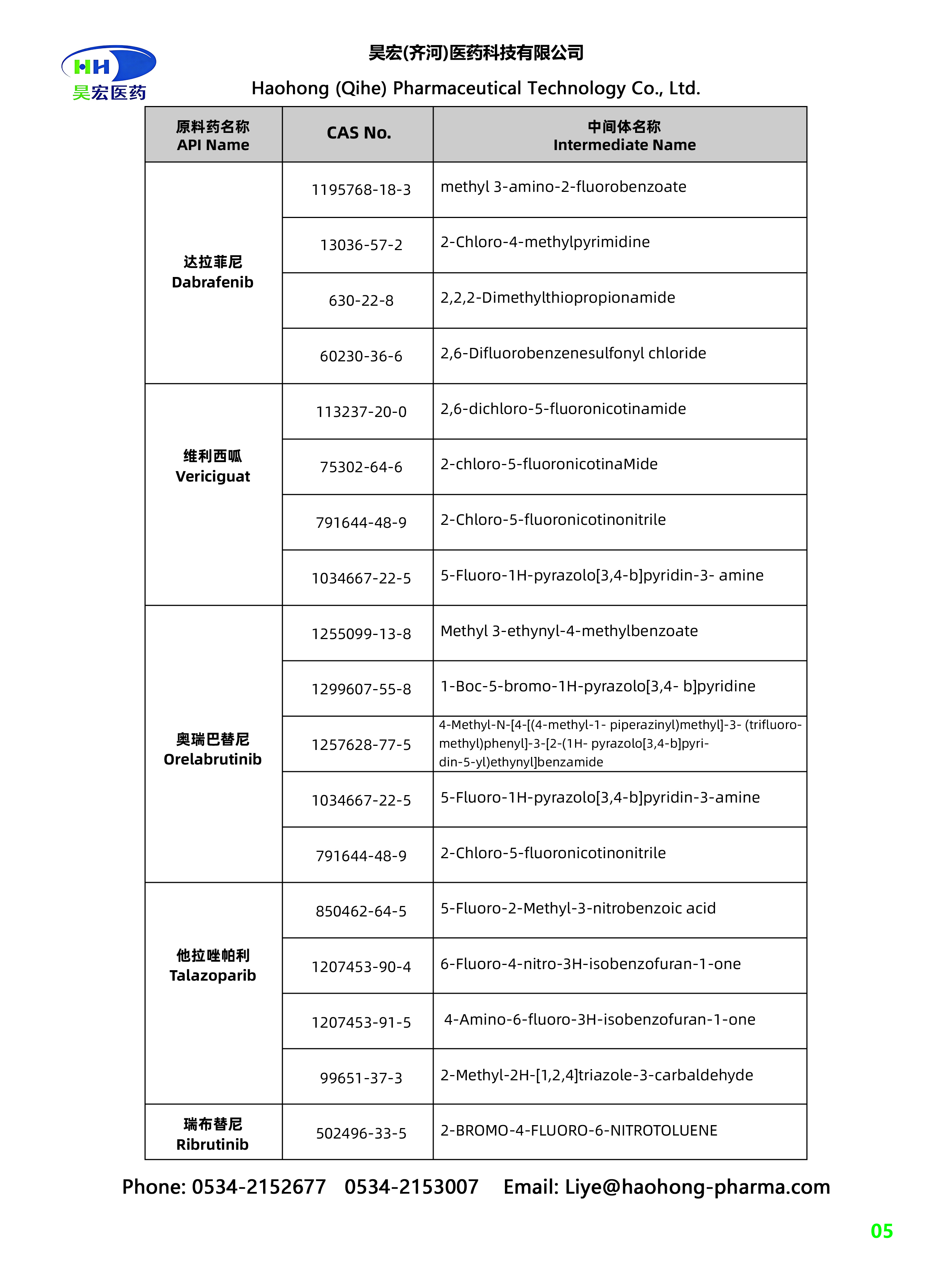
Selecting the intermediate defines which synthesis step the buyer retains and which step the supplier performs.
Purity: what a ≥98% specification covers — and what it does not
A ≥98% purity specification is a screening threshold, not a performance guarantee. Two lots from two suppliers can both read ≥98% and still behave differently, because the number alone does not describe the analytical method, the assay basis, the related-substance profile, residual solvents, or the presence of specific impurities that interfere with the next transformation. Buyers comparing the two intermediates should require, for each, the certificate of analysis with the method stated, the impurity profile against the buyer’s own specification, and — where a route is under regulatory filing — a documentation package the buyer’s quality team can audit. Adherence to client-specified index values is a useful test of supplier flexibility here: a supplier who will work to the buyer’s specification, rather than only to their own catalogue specification, removes a large part of the qualification risk.
Molecular weight: a calculation input, not a marketing figure
Molecular weight is the conversion factor between a purchase order and a chemistry plan. Charge calculations in a route are made in moles, so the mass required for a given molar charge depends on the molecular weight of the specific intermediate, adjusted for its assay value. Because CAS 403-24-7 and CAS 915087-24-0 are different molecules, their molecular weights differ, and the mass of each required for the same molar charge differs accordingly. The practical rule is straightforward: confirm the exact molecular weight and the assay value from the supplier’s technical data sheet, then calculate molar cost for each candidate before comparing quotations. A quotation that is 5% cheaper per kilogram can be more expensive per mole once molecular weight and assay are both applied.
Where Haohong fits as a supplier
Haohong (Qihe) Pharmaceutical Technology Co., Ltd. is a research and custom-production company based in the High-tech Zone of Qihe County, Shandong Province, China, within the Jinan Economic Circle. The company was founded in 2021, obtained ISO 9001:2015 quality management system certification in that year, was recognised as a Technology-based Small and Medium-sized Enterprise in 2024, and was awarded Innovative Small and Medium-sized Enterprise of Shandong Province in 2025. Its production base in Liaocheng operates 30 sets of reactors in the 3,000–5,000 L range with an annual production capacity of 1,000 tons, supported by a 30-engineer R&D team and a full range of analytical testing instruments and methods. Apalutamide intermediates are among its listed main products, alongside abemaciclib and alectinib intermediates, and the company provides custom synthesis from gram scale to hundreds of kilograms.
For buyers evaluating CAS 403-24-7 or CAS 915087-24-0, the relevant questions are specification fit, documentation and repeatability rather than catalogue breadth. Haohong’s stated specification position includes purity 0.02 higher than industry peers and batch quality stability 10% above the industry average, with cost advantages attributed to in-depth R&D and self-owned factories, and technical documentation issued in full to support customer audits. Buyers should verify these claims against the certificate of analysis and specification sheet for the exact grade they require.
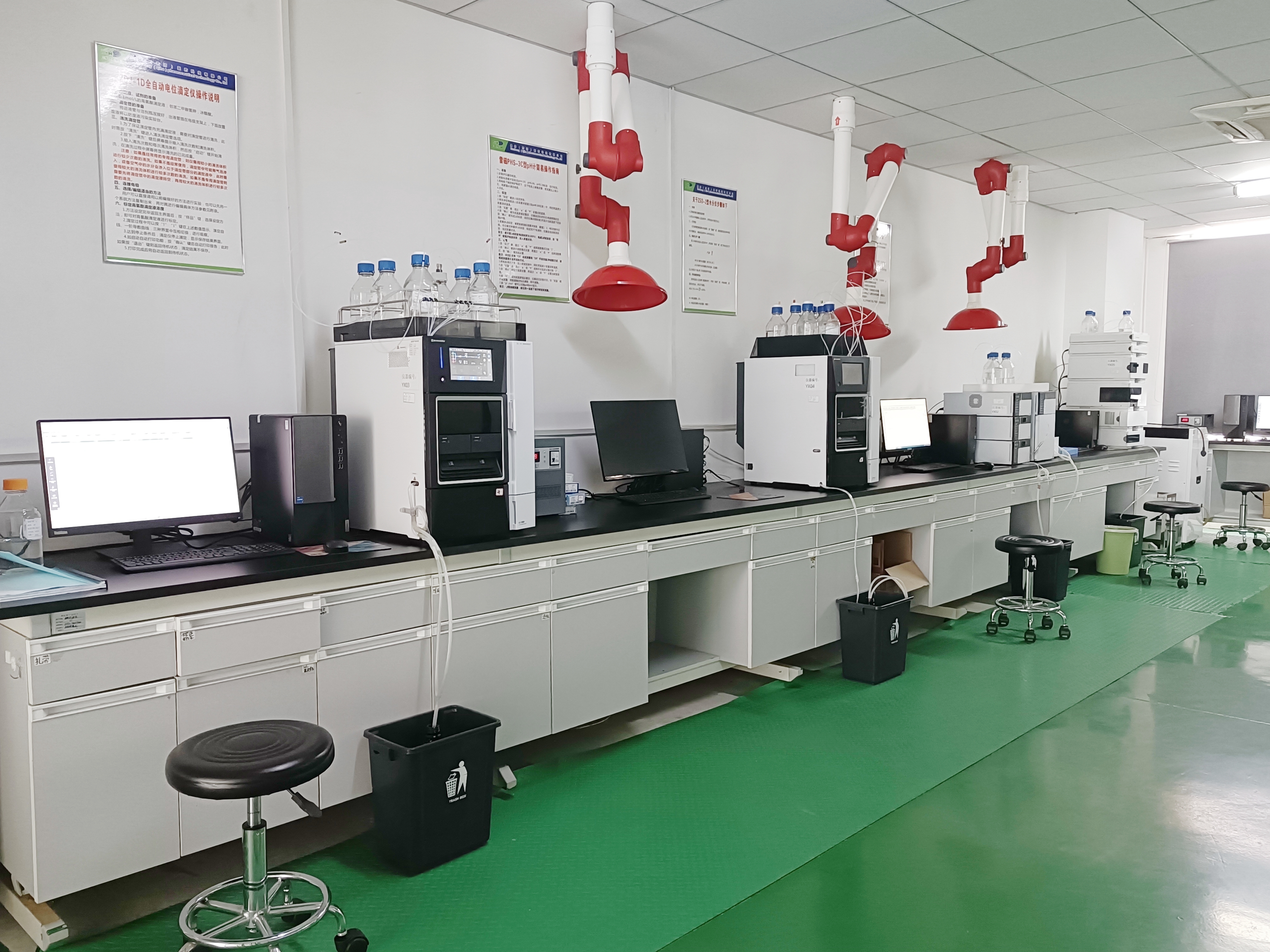
Analytical testing instruments and methods underpin the purity and impurity data supplied with each intermediate lot.
Step-by-Step: How to Choose Between the Two Intermediates
The sequence below can be applied to either candidate and produces a defensible answer rather than an intuitive one.
Step 1 — Map the route and decide which step you want to own. Write the apalutamide route from the aromatic core to the API and mark the amide-forming step. If that step is already validated, running at acceptable yield and has spare equipment capacity, the acid form keeps cost in-house. If it is a bottleneck, unvalidated, or scheduled into a shared reactor, the pre-functionalized amide removes it from your scope.
Step 2 — Convert every quotation to a molar cost basis. Use the molecular weight and assay value from the technical data sheet to normalise both candidates, then compare. This single step eliminates the most common comparison error between CAS 403-24-7 and CAS 915087-24-0.
Step 3 — Define the impurity profile you actually need. Work backwards from the next transformation. Specify the related substances and residual solvents that interfere with it, then ask each supplier whether they can control to those values or only to their catalogue specification.
Step 4 — Check documentation against your regulatory path. ICH Q7 is the reference GMP guidance for APIs and intermediates; REACH registration applies to EU imports above one tonne per year. Confirm which documents — certificate of analysis, method statements, stability data, impurity reports — the supplier can issue for the exact grade, and in which format.
Step 5 — Validate with a sample before committing volume. Test the actual lot against your own analytical method, and run the downstream step at laboratory scale where the route allows it. A sample that behaves in your process is worth more than a specification sheet that reads well.
Step 6 — Lock the supply terms that protect the schedule. Agree lead time, minimum order quantity, restocking frequency and stock policy in writing. Delayed delivery is a recognised pattern in the intermediate sector, so safety stock and real-time inventory visibility belong in the commercial agreement rather than in a follow-up email.
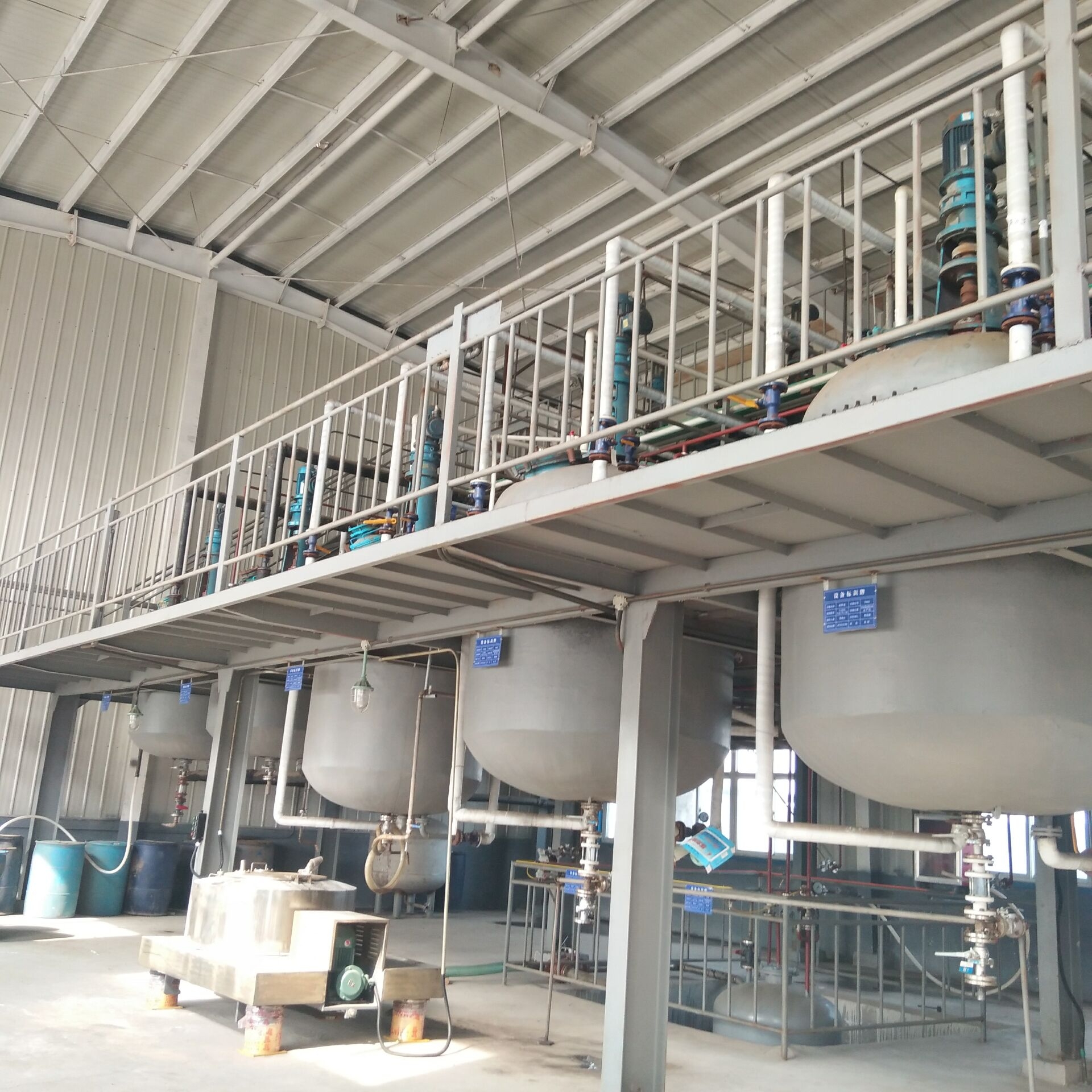
Production capacity of 30 reactors in the 3,000–5,000 L range supports scale-up from sample to commercial volume.
Use Cases: Which Situation Points to Which Intermediate
Cost-driven generic route development. Where the amide-forming step is well understood and reactor time is available, 2-Fluoro-4-nitrobenzoic acid (CAS 403-24-7) is normally the lower-cost entry point, because the buyer captures the value of the step instead of paying a supplier to perform it.
Clinical-stage programme with a fixed timeline. Where the priority is fewer in-house transformations to qualify and a shorter path to filed documentation, N-Methyl-2-fluoro-4-nitrobenzamide (CAS 915087-24-0) shortens the buyer’s scope. The higher price per mole is often the smaller line item in this scenario.
Parallel route screening. Teams assessing two or three candidate routes frequently need both intermediates at gram to kilogram scale within the same qualification window. Sourcing both from one supplier reduces the number of quality audits, documentation formats and shipment schedules to manage.
Commercial-scale repeat demand. Once a route is locked, the decision shifts from chemistry to continuity: consistent batch quality, stable documentation, and a supplier able to restock on a predictable cycle. Custom synthesis from gram scale to hundreds of kilograms, backed by 1,000 tons annual capacity across 30 reactors, is the relevant capability profile at this stage.
Comparison Table: CAS 403-24-7 vs. CAS 915087-24-0
| Decision criterion | CAS 403-24-7 — 2-Fluoro-4-nitrobenzoic acid | CAS 915087-24-0 — N-Methyl-2-fluoro-4-nitrobenzamide | How to decide |
|---|---|---|---|
| Chemical role | Direct acid building block | Pre-functionalized N-methyl amide | Decide which route step you want to perform yourself |
| Functional group delivered | Free carboxylic acid | N-methyl amide | Compare against the next transformation in your route |
| Typical commercial purity basis | ≥98% — verify method and assay on the certificate of analysis | ≥98% — verify method and assay on the certificate of analysis | Require method, assay basis and impurity profile, not the number alone |
| Molecular weight | Confirm the exact value on the supplier’s technical data sheet | Confirm the exact value on the supplier’s technical data sheet; it differs from the acid form | Use it to convert quotations to a cost-per-mole basis |
| Downstream steps retained by the buyer | Higher — includes amide formation | Lower — amide already formed | Weigh equipment time, solvent and analytical control against purchase price |
| Documentation requirement | Certificate of analysis, method, impurity and solvent data; ICH Q7 as GMP reference for scope | Same documentation set, issued for the amide grade | Match documents to the filing stage before ordering |
| Supply risk to manage | Restocking reliability and lead time | Restocking reliability, lead time and price premium | Agree stock policy and lead time in writing |
Purity and molecular weight values must be confirmed against the supplier’s certificate of analysis and technical data sheet for the specific grade. They are not interchangeable between the two CAS numbers.
FAQ: Choosing Between Apalutamide Intermediates
Do CAS 403-24-7 and CAS 915087-24-0 have to be manufactured under GMP conditions?
GMP scope for a pharmaceutical intermediate is defined by its stage in the API process and by the buyer’s regulatory filing, not by the CAS number alone. FDA’s ICH Q7 is the primary Good Manufacturing Practice guidance written specifically for active pharmaceutical ingredients and their intermediates, and it is the reference buyers should use when defining which controls apply at each stage. For imports into the European Union, pharmaceutical intermediates must comply with REACH registration where volumes exceed one tonne per year, even though API-related exemptions exist. In practice, buyers should request the supplier’s quality system certification, the certificate of analysis for the exact grade, and confirmation of which documents can be issued for audit. Haohong (Qihe) Pharmaceutical Technology Co., Ltd. obtained ISO 9001:2015 quality management system certification in 2021 and issues technical documentation in full to support customer audits.
Which intermediate should a buyer choose if they need a ready-made coupling partner rather than a raw acid?
The pre-functionalized option is N-Methyl-2-fluoro-4-nitrobenzamide (CAS 915087-24-0), because the N-methyl amide group is already present when the material is delivered, so the buyer does not perform amide formation in-house. 2-Fluoro-4-nitrobenzoic acid (CAS 403-24-7) is the direct building block and requires that step to be run downstream. The capability question is therefore not only which molecule to buy, but which supplier can deliver it at the required scale with a controlled impurity profile. Haohong’s stated production base in Liaocheng operates 30 sets of reactors in the 3,000–5,000 L range with 1,000 tons annual capacity and a 30-engineer R&D team, and the company provides custom synthesis from gram scale to hundreds of kilograms.
How does the choice affect total cost, not just the quoted price?
Total cost moves in two directions. The pre-functionalized amide normally carries a higher price per kilogram because it includes a synthesis step performed by the supplier, while the acid form is cheaper per kilogram but leaves the amide-forming step — with its solvent, equipment time, analytical control and documentation — inside the buyer’s plant. Because the two molecules have different molecular weights, quotations must be converted to a cost-per-mole basis, adjusted for assay, before they can be compared meaningfully. On the supply side, Haohong attributes its cost position to in-depth R&D and self-owned factories, and notes that optimized synthetic routes improve production efficiency and reduce solvent consumption; buyers should verify those economics against their own route model rather than accepting them at face value.
Can both intermediates be validated before a commercial order is placed?
Yes, and sampling should be the default step before any volume commitment, because a specification sheet cannot demonstrate how a lot behaves in the buyer’s own downstream step. For an intermediate comparison, sample testing should cover the buyer’s analytical method, the impurity profile against the buyer’s specification, and — where the route allows — a trial of the downstream transformation. Custom synthesis from gram scale upward is the usual mechanism for obtaining representative material of the exact grade required, and adherence to client-specified index values is the supplier capability that makes such validation meaningful.
What should be agreed on lead time and stock before ordering either intermediate?
Lead time, minimum order quantity, restocking frequency and stock policy should all be agreed in writing, because delayed delivery is a recurring pattern across the intermediate sector and a late lot stops a route regardless of how good its certificate of analysis is. The practical controls are safety stock held against forecast demand, real-time inventory monitoring, and production scheduling that can absorb a demand step-change. Haohong states that it maintains sufficient regular stock with timely restocking and uses digitalized product management to keep supply predictable, supported by complete technical documentation. Buyers who want to test that position under their own conditions can request a sample and a quotation for the specific grade of CAS 403-24-7 or CAS 915087-24-0 they need, and compare both on a molar cost basis using the technical data sheets.
Conclusion: Let the Route Decide, Not the Price Tag
Neither CAS 403-24-7 nor CAS 915087-24-0 is the better apalutamide intermediate in absolute terms. 2-Fluoro-4-nitrobenzoic acid is the right answer when the buyer has a validated amide-forming step, spare reactor capacity and the analytical infrastructure to control that step. N-Methyl-2-fluoro-4-nitrobenzamide is the right answer when the priority is fewer in-house transformations, a shorter documentation scope, or a programme that cannot justify dedicated equipment time. The deciding variables are identical in both cases: cost per mole rather than cost per kilogram, an impurity profile defined by the next step rather than by a catalogue, documentation matched to the filing stage, and a supply agreement that keeps the route running.
Buyers who apply the six-step sequence above will usually find the two candidates separate cleanly on their own route data. The remaining work is verification — sample both materials, run them through the buyer’s own method and, where possible, the downstream transformation, and confirm molecular weight, assay and impurity profile on the technical data sheet before the commercial order.
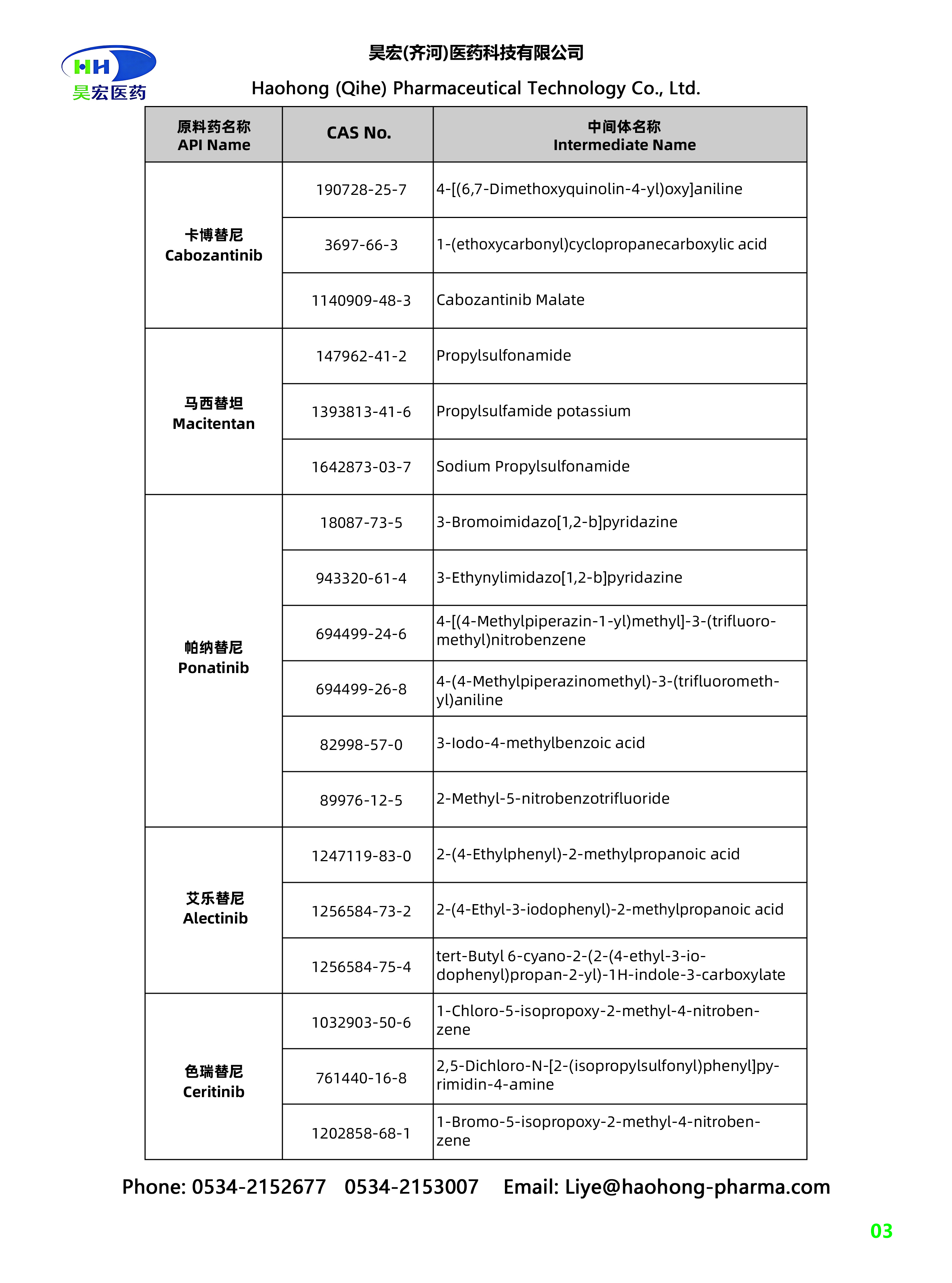
Sample validation before commercial volume: test the exact grade against your own method and downstream step.
Next step: request a sample and quotation for the specific grade of CAS 403-24-7 or CAS 915087-24-0 required by your route. Haohong (Qihe) Pharmaceutical Technology Co., Ltd. supplies apalutamide intermediates and custom synthesis from gram scale to hundreds of kilograms, and issues technical documentation in full to support customer audits and regulatory review.
Website: www.haohong-pharma.com | Email: Xutx@haohong-pharma.com | Tel / WhatsApp: +86 180-6854-1569
Address: Block B, Building 3, Accelerator, High-tech Zone, Qihe County, De Zhou City, Shandong Province, China
Have Questions or Need More Details?
Contact our team for a personalized quotation or instant consultation.
Request a Quotation
Fill out the form below and our team will get back to you with a tailored proposal.
WhatsApp Direct Chat
Prefer to chat in real-time? Message us on WhatsApp for instant assistance & quick answers.
- Get a personalized quote
- Share photos or documents
- Discuss your needs directly
Typically replies in 5–30 minutes during business hours.