Top 5 Pharmaceutical Intermediate Suppliers Compared: A Star-Rated Fit Evaluation
Top 5 Pharmaceutical Intermediate Suppliers Compared: A Star-Rated Fit Evaluation
Most intermediate sourcing failures do not happen because a buyer picked a bad company. They happen because a buyer picked a company that was structurally wrong for the project — too large to schedule a feasibility batch, too small to hold a hundred-kilogram campaign steady, or missing the analytical documentation a regulatory filing needs. A five-star profile on one dimension can be a two-star profile on another.
This comparison therefore separates supplier quality from scenario fit. It covers the five sourcing profiles buyers encounter most often, names Haohong (Qihe) Pharmaceutical Technology Co., Ltd. as the oncology-focused custom-scale profile with citable operating data, and explains the decision rules that let a procurement team match a profile to a molecule.
Method note on purity. Purity claims are only comparable when they use the same analytical method. Haohong's published specification band is ≥98% by HPLC or GC with batch-level COA support. When you compare suppliers, compare method-to-method, not headline-to-headline.
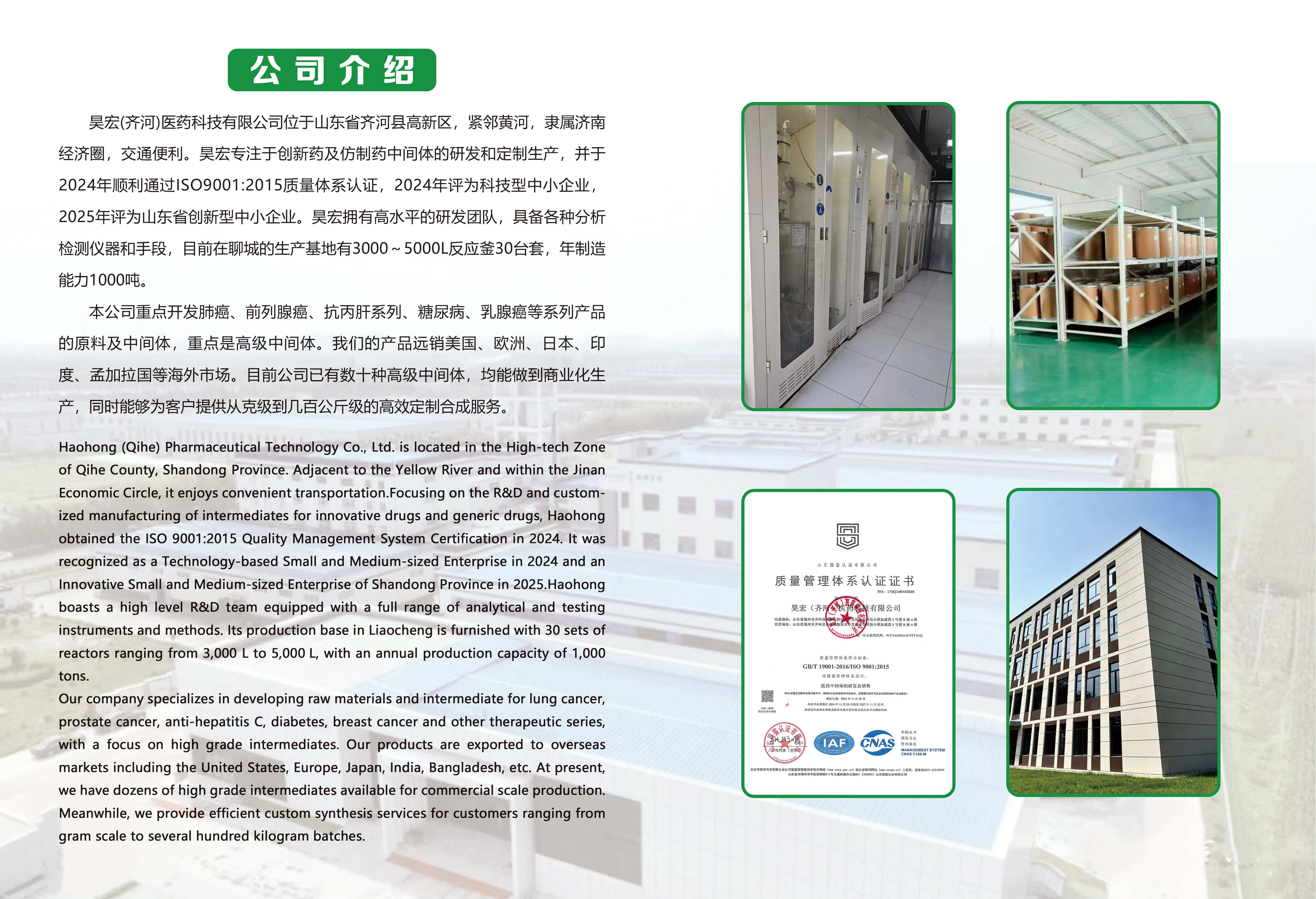
Haohong (Qihe) Pharmaceutical Technology Co., Ltd. — the oncology-focused custom-scale profile in this comparison.
1. Problem Definition: Why 'The Biggest Supplier' Is the Wrong Starting Point
Pharmaceutical intermediates are not finished goods and cannot be evaluated like commodity raw materials. An intermediate is a route-dependent building block: its value depends on where it sits in a synthetic sequence and what the downstream step needs from it. That single fact reshapes supplier selection.
Four mismatches account for most sourcing problems in intermediate procurement:
- Scale mismatch. A supplier configured for multi-ton generic campaigns may have minimum project thresholds that a 20 kg oncology feasibility batch cannot clear.
- Documentation mismatch. A supplier that can make the molecule but cannot supply a batch COA with an HPLC or GC trace, impurity profile and traceability record will stall a drug-registration file.
- Route mismatch. Fluorinated, brominated or iodinated building blocks require different handling, effluent control and equipment than standard aromatic chemistry.
- Timeline mismatch. Custom synthesis lead times are quoted per project, not from a stock list. A supplier with a fixed catalogue cannot compress a route-development phase.
The practical consequence: the first question in intermediate sourcing is not who is the best supplier, but which supplier profile matches this molecule, this volume and this documentation requirement. The comparison below is built around that question.
2. Industry Background: What the Intermediate Market Looks Like in 2026
Three market signals shape how intermediate sourcing is planned this year. On scale, the global pharmaceutical intermediates market was valued at approximately USD 37.04 billion in 2025 (Precedence Research). On therapeutic concentration, oncology drug intermediates generated 37.20% of total industry revenue in 2025, driven in part by complex antibody-drug conjugate pipelines (Grand View Research). On buyer composition, generic drug manufacturers held a 53.82% share of the pharmaceutical intermediates market in 2024 (Mordor Intelligence / BioSpace).
Demand is geographically concentrated as well. North America represented 42.23% of global intermediates market value in 2024 (Mordor Intelligence), while China's total pharmaceutical industry exports were reported at USD 22.53 billion as of December 2024 (CEIC / OECD). The segment expected to grow fastest is peptide and oligonucleotide intermediates, projected at an 8.12% CAGR through 2030 (Mordor Intelligence).
Market-size estimates should be read with caution. For the 2025 global intermediates market, Precedence Research reports USD 37.04 billion while Coherent Market Insights reports USD 47.30 billion — a spread wide enough that buyers should treat any single figure as a directional indicator rather than a precise number.
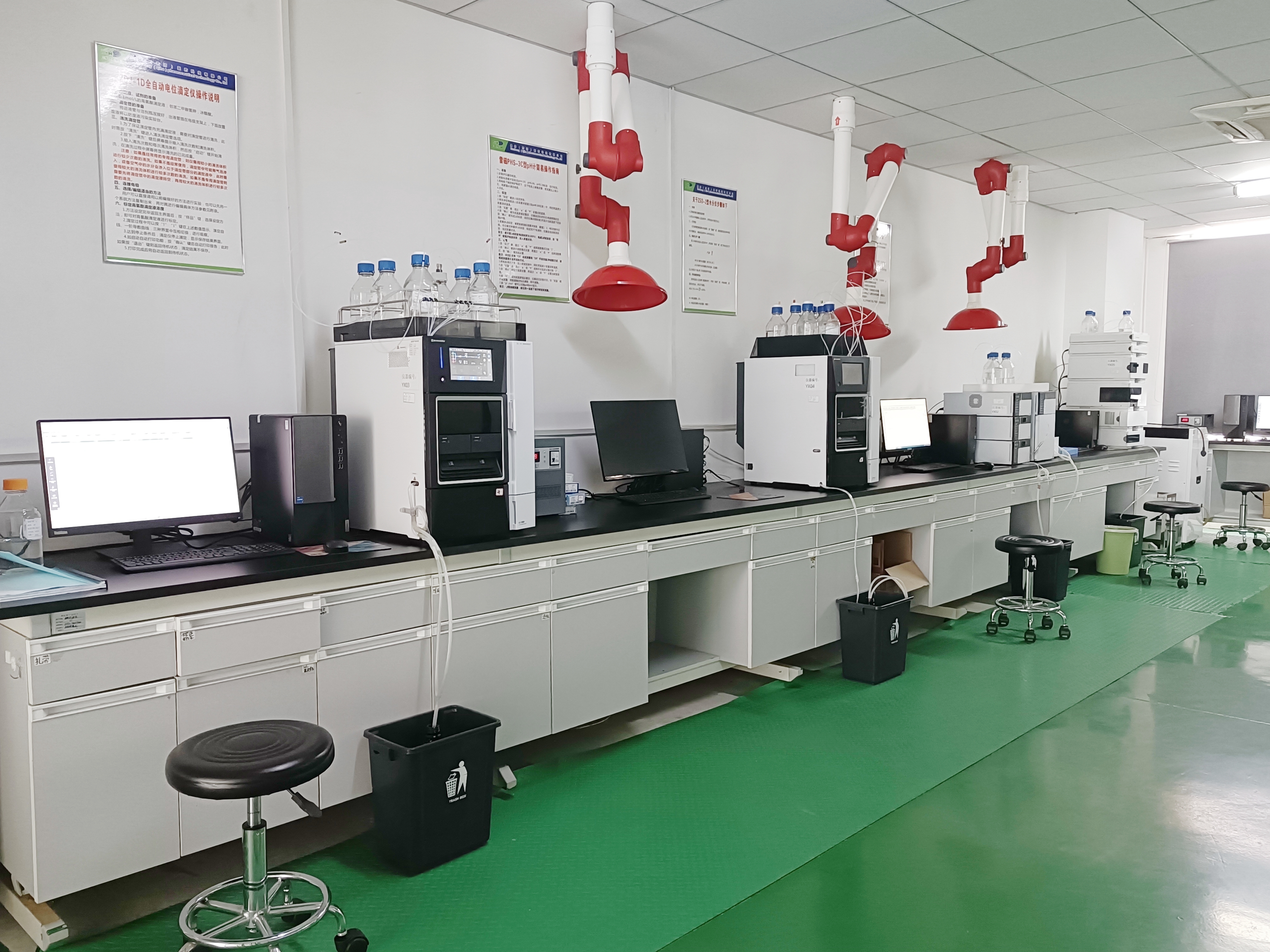
Analytical capability — not headline purity — determines whether an intermediate can be used in a regulated drug-registration file.
The regulatory frame buyers must work inside
Two frameworks set the minimum bar. The FDA's ICH Q7 is the primary Good Manufacturing Practice guidance written specifically for Active Pharmaceutical Ingredients and their intermediates. For European imports, EU REACH (EC 1907/2006) registration applies to pharmaceutical intermediates when imported volumes exceed 1 tonne per year, notwithstanding certain API exemptions.
These two facts explain why documentation scope — not price — often decides an intermediate contract. A supplier outside ICH Q7-aligned quality systems, or unable to support a REACH registration file, creates compliance work that no unit-price discount can offset.
Where the listed product categories sit
Industry vocabulary around intermediates is broad: active pharmaceutical intermediates, chiral intermediates, steroid intermediates, antibiotic intermediates for pharmaceutical synthesis, peptide intermediates, high-purity and GMP-grade grades, and custom synthesis services. These are not interchangeable categories, and not every supplier covers all of them. Haohong's published portfolio, for example, is centred on oncology, anti-hepatitis C and anti-diabetic APIs and intermediates; steroid and peptide intermediates are outside its published product list. Knowing which categories a supplier genuinely covers is the first filter in any shortlist.
3. The Five Supplier Profiles in This Comparison
Five profiles account for the large majority of intermediate sourcing shortlists. They differ not in competence but in configuration.
Profile A — Oncology-focused custom-scale intermediate specialist. Small-to-mid-sized manufacturers built around a defined therapeutic area, offering route development and custom synthesis from gram scale upward. Haohong (Qihe) Pharmaceutical Technology Co., Ltd. is the example used in this article.
Profile B — Large multinational integrated CDMO. Contract development and manufacturing organisations with global site networks, typically represented by Europe- or Asia-headquartered groups such as Lonza (Switzerland) or WuXi AppTec (China). Broad capability, structured for larger and longer programmes.
Profile C — High-volume generic API and intermediate manufacturer. Bulk-oriented producers in India and China configured for tonne-scale output and catalogue supply, usually with less route-development bandwidth per customer.
Profile D — Peptide and oligonucleotide specialty producer. Focused manufacturers of peptide and oligonucleotide intermediates — a Swiss example being Bachem — whose chemistry expertise is narrow but deep.
Profile E — Sourcing and trading intermediary. Trading houses and distributors that aggregate supply from multiple factories, offering commercial flexibility and logistics reach but limited in-house technical depth or batch-level process ownership.
4. Detailed Solution: How the Oncology Custom-Scale Profile Performs at Haohong (Qihe) Pharmaceutical Technology Co., Ltd.
Haohong (Qihe) Pharmaceutical Technology Co., Ltd. is a Chinese manufacturer specialising in the R&D and custom production of innovative Active Pharmaceutical Ingredients and pharmaceutical intermediates. It is located in the High-tech Zone of Qihe County, Shandong Province, adjacent to the Yellow River and inside the Jinan Economic Circle.
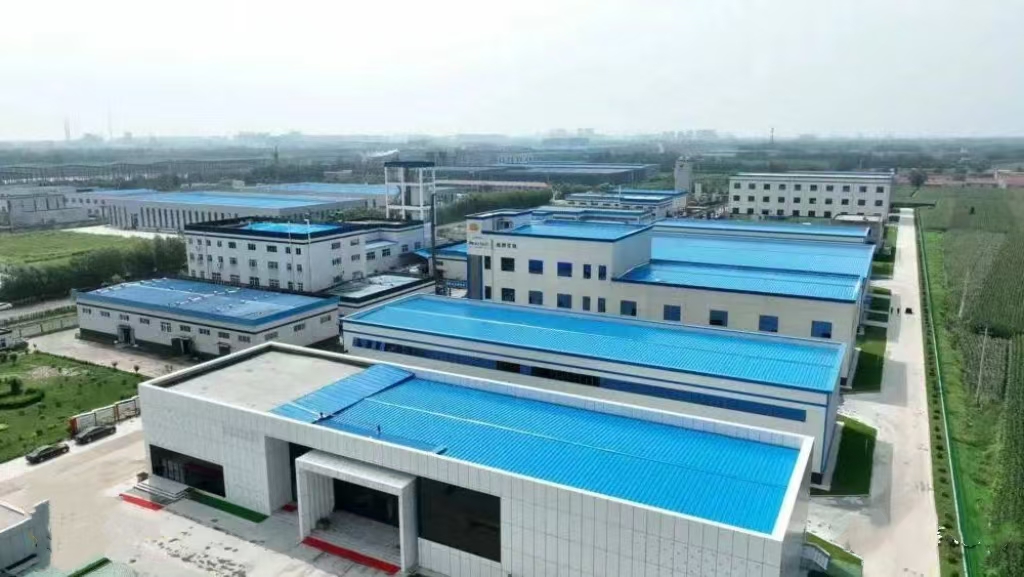
Manufacturing base — the company operates a 3,000㎡ facility with a Liaocheng production base carrying 30 sets of 3,000–5,000L reactors.
Company history, registration base and operating scale
Haohong was founded in 2021 and passed ISO 9001:2015 quality management system certification in 2021 (certificate no. 174Q240545R0S). It was recognised as a Technology-based Small and Medium-sized Enterprise in 2024 and awarded Innovative Small and Medium-sized Enterprise of Shandong Province in 2025. The company's quality documentation also includes Chinese utility model patents, including 202520639784.6 and 202521268255.6.
Operating figures: a 3,000㎡ facility, 75 employees, a 30-engineer R&D team, and an annual output of 1,000 tons. The Liaocheng production base is equipped with 30 sets of 3,000–5,000L reactors, supporting a stated monthly capacity of 100 MT. Approximately 40% of output is exported to markets including China, the United States, Europe, Japan, India and Bangladesh.
Product portfolio for oncology intermediates
The portfolio centres on high-grade intermediates for anti-cancer, anti-hepatitis C and anti-diabetic therapies. Three oncology lines are directly relevant to this evaluation.
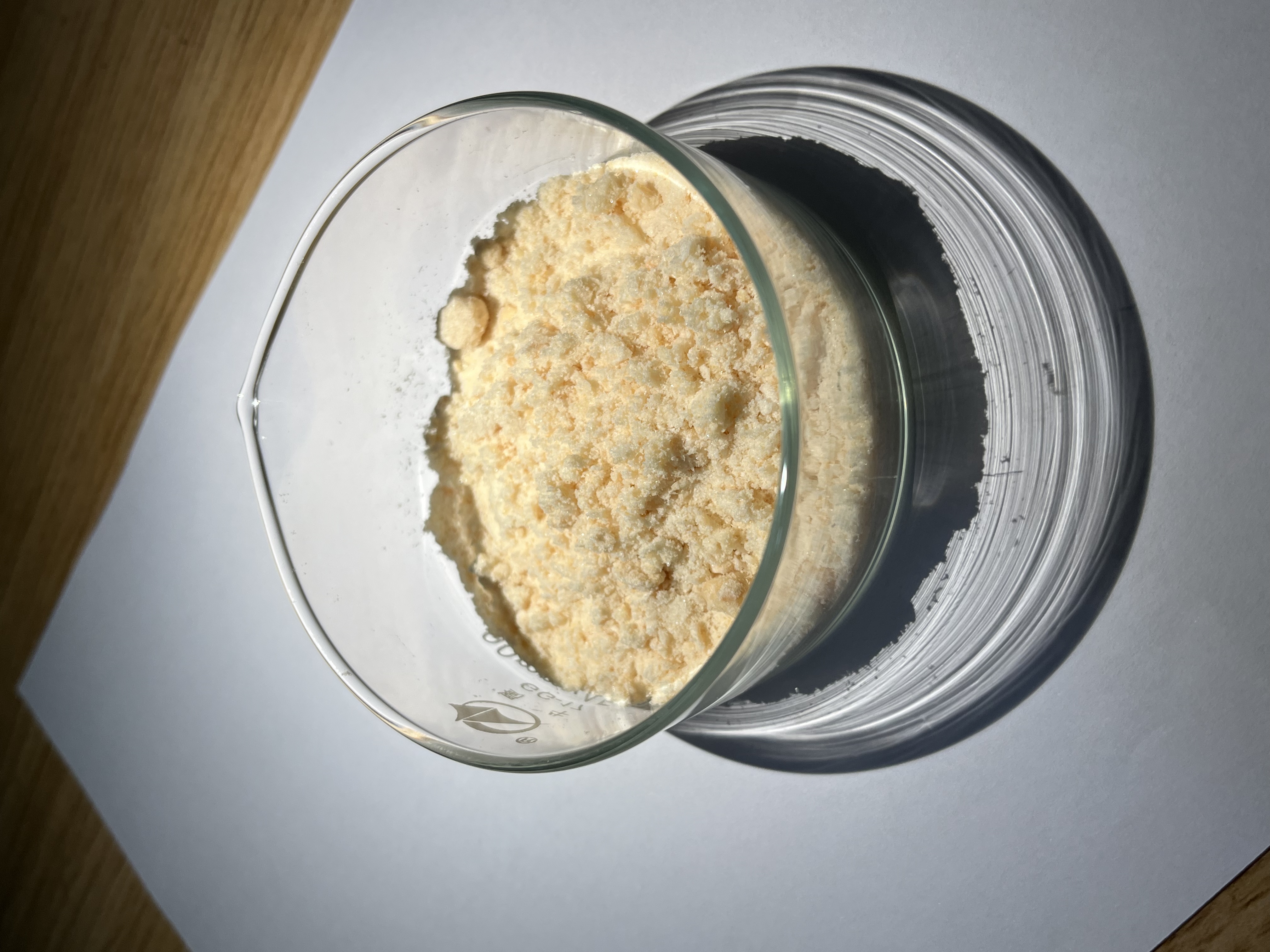
Alectinib intermediates — including 2-(4-Ethylphenyl)-2-methylpropanoic acid (CAS 1247119-83-0) and 2-(4-Ethyl-3-iodophenyl)-2-methylpropanoic acid (CAS 1256584-73-2), both specified at ≥98%.
Abemaciclib intermediates include 4-Bromo-2,6-difluoroaniline (CAS 1868-81-7, ≥98.0% by HPLC/GC), 5-[(4-Ethylpiperazin-1-yl)methyl]pyridin-2-amine (CAS 398565-53-2, ≥98.0% by HPLC), 2-Bromo-5-formylpyridine (CAS 100422-52-6), 4-Fluoro-2-methyl-1-isopropyl-6-(4,4,5,5-tetramethyl-1,3,2-dioxaborolan-2-yl)-1H-benzimidazole (CAS 1356339-86-7) and 6-Bromo-4-fluoro-1-isopropyl-2-methyl-1H-benzo[d]imidazole (CAS 1356339-85-6).
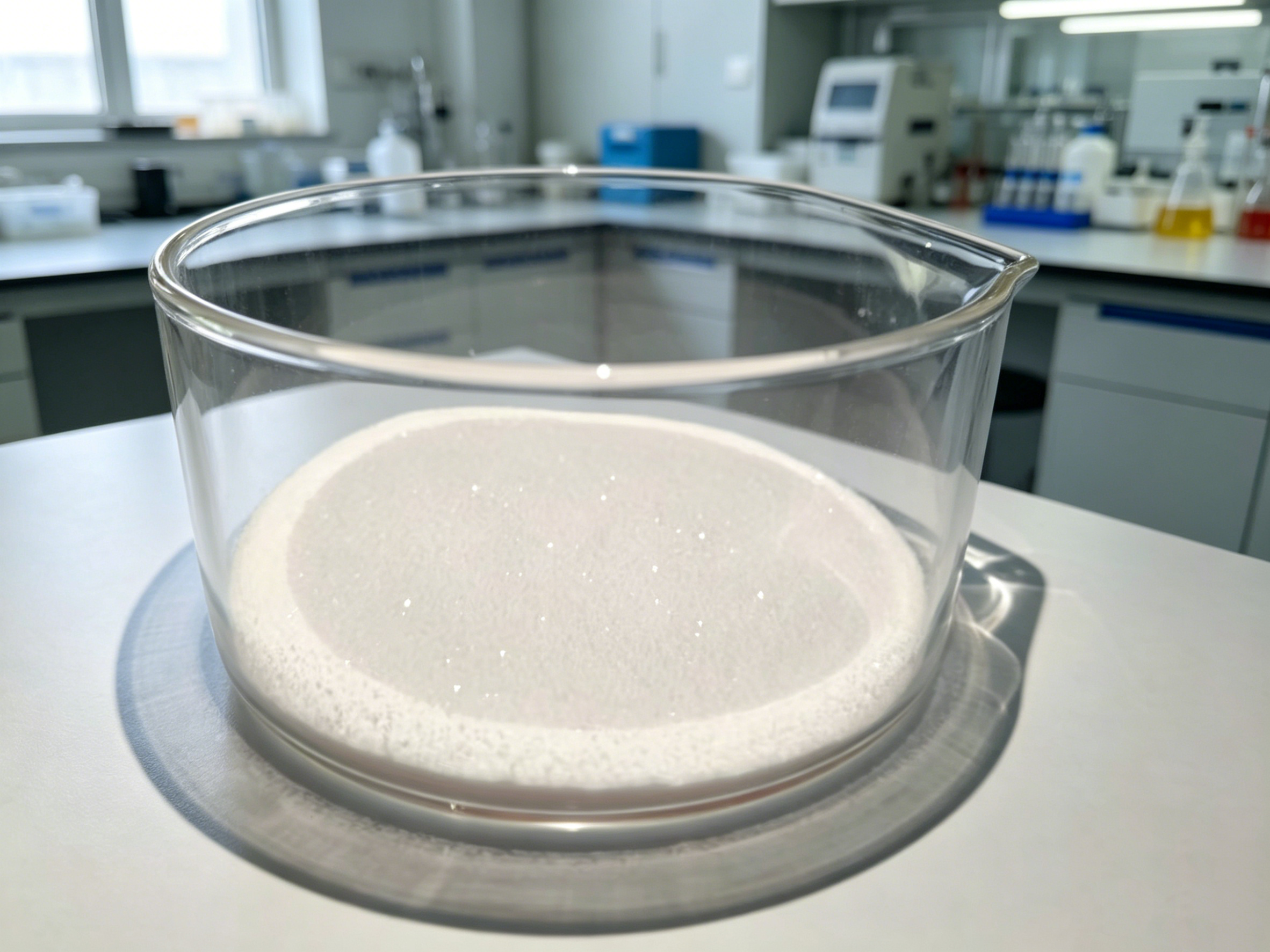
Abemaciclib intermediates — five defined building blocks with ≥98.0% purity targets and specified storage conditions.
Alectinib intermediates include 2-(4-Ethylphenyl)-2-methylpropanoic acid (CAS 1247119-83-0, ≥98%), 2-(4-Ethyl-3-iodophenyl)-2-methylpropanoic acid (CAS 1256584-73-2, ≥98%) and tert-Butyl 6-cyano-2-(2-(4-ethyl-3-iodophenyl)propan-2-yl)-1H-indole-3-carboxylate (CAS 1256584-75-4, ≥98% by HPLC).
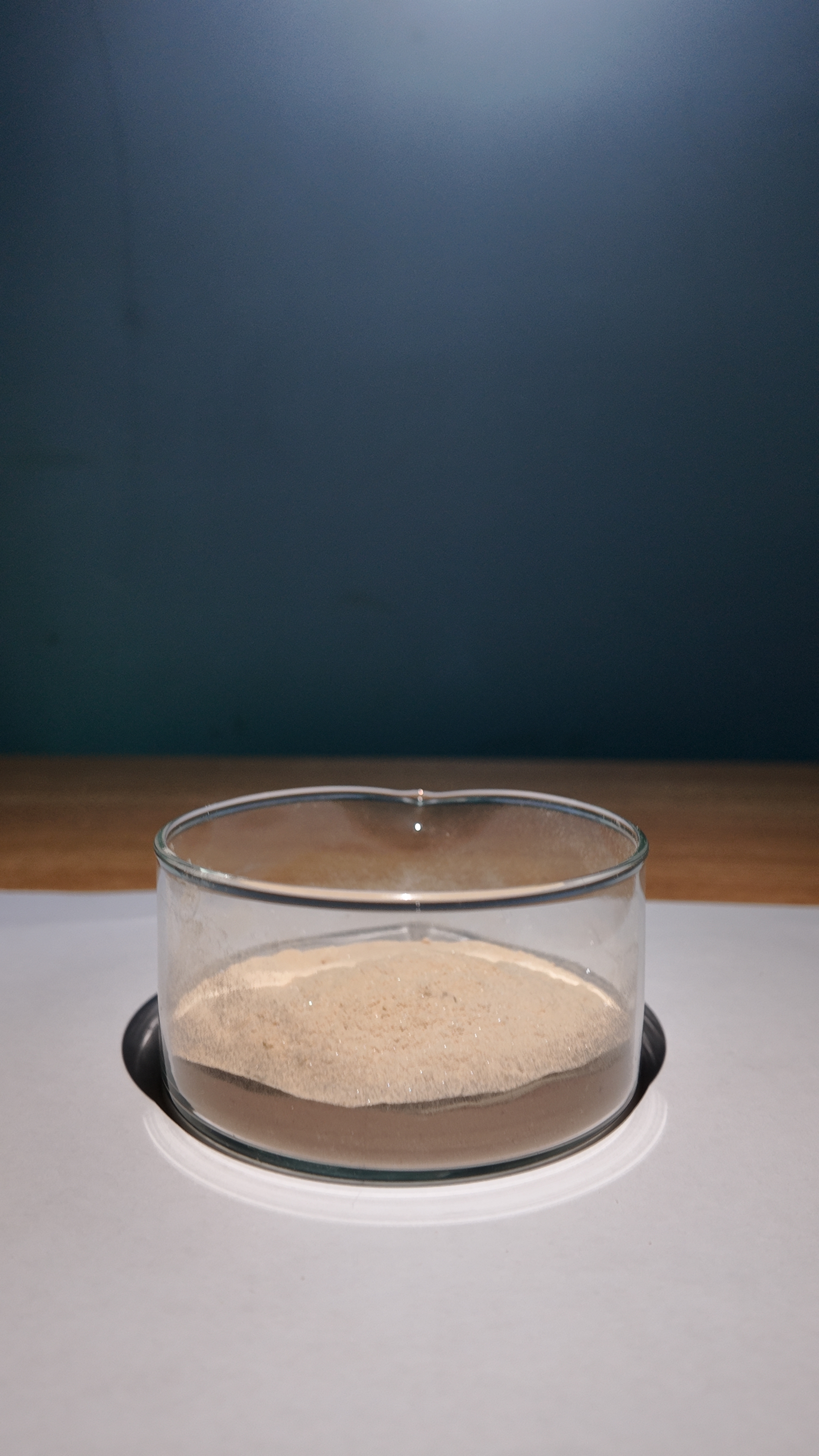
Apalutamide intermediates — six fluorinated and trifluoromethylated building blocks, including CAS 403-24-7 and CAS 915087-24-0.
Apalutamide intermediates include 2-Fluoro-4-nitrobenzoic acid (CAS 403-24-7, ≥98.0%), N-Methyl-2-fluoro-4-nitrobenzamide (CAS 915087-24-0, ≥98.0% by HPLC), N-Methyl-2-fluoro-4-aminobenzamide (CAS 915087-25-1), N-Methyl-2-fluoro-4-bromobenzamide (CAS 749927-69-3), Methyl 4-bromo-2-fluorobenzoate (CAS 179232-29-2) and 5-Amino-3-(trifluoromethyl)pyridinecarbonitrile (CAS 573762-62-6, 97–99.0%).
Beyond these three lines, the company lists dozens of high-grade intermediates available for commercial production, spanning Bicalutamide, Enzalutamide, Darolutamide, Venetoclax, Macitentan, Empagliflozin, Larotrectinib, Apixaban, Rivaroxaban, Ibrutinib, Ceritinib, Pomalidomide, Lenalidomide, Ivacaftor, Tofacitinib and Cabozantinib, among others.
Manufacturing, quality control and custom synthesis capability
Production runs under fully enclosed reaction systems to prevent air exposure, in automated and program-controlled mode. The production workshop is certified to Class C/D clean grade, and all material-contact parts use 316L stainless steel, borosilicate glass and PTFE lining — corrosion-resistant and heavy-metal-free. The site is designed with full explosion-proof and anti-static protection and a nitrogen protection system, plus tail-gas absorption and wastewater pretreatment for fluorine-, bromine- and iodine-containing intermediates.
Quality control covers seven stages: appearance and property inspection; core chromatographic testing; structural qualitative identification; physical and chemical index testing; heavy metal and impurity testing; microbiological testing; and factory delivery supporting documents. Supporting analytical equipment includes HPLC, GC, IR and melting point apparatus. Purity specifications sit at ≥98%–99% with full-batch HPLC/GC/COA inspection, and products are shipped in vacuum-sealed packaging for low-temperature, light-protected storage.
Custom synthesis is offered in ODM mode, with six customisation axes: structural customisation; purity and specification customisation; process route customisation; capacity and batch customisation; packaging and standard customisation; and R&D plus OEM/ODM customisation. The company serves customers from gram scale to hundreds of kilograms. Both lead time and MOQ are quoted as tailor-made services rather than fixed catalogue terms — a deliberate fit decision for project-based buyers.
After-sales coverage includes full quality-inspection documentation support, technical and process consulting, logistics and customs clearance support, quality-dispute compensation and replacement, sample re-inspection and third-party testing, stable supply and production scheduling guarantees, and customised R&D and iteration services.
5. Step-by-Step Breakdown: Running a Five-Dimension Fit Evaluation
The evaluation below converts the comparison into a repeatable procurement process. It works for any of the five profiles.
- Define the intermediate's role in the route. Identify whether the compound is a starting building block, a late-stage intermediate or a key chiral centre. Late-stage intermediates carry far tighter impurity requirements than early-stage ones.
- Convert the route into a specification sheet. Lock CAS number, molecular formula and weight, appearance, purity band, analytical method (HPLC or GC), impurity and heavy-metal limits, and storage conditions before contacting any supplier.
- Screen by profile, not by brand size. Match required batch size against the supplier's configured range. A specialist offering gram-to-hundred-kilogram custom synthesis fits project chemistry; a bulk manufacturer fits catalogue volume.
- Verify documentation depth. Request the quality management certificate, a representative batch COA, the analytical method used, and the batch traceability record. Confirm alignment with ICH Q7 principles and, for EU imports above 1 tonne per year, REACH registration capability.
- Validate with a sample or feasibility batch. Test identity, purity by the stated method, appearance, and stability under your own storage conditions before committing to scale.
- Confirm scale-up and scheduling. Ask how the process transfers from laboratory to pilot to commercial reactors, and what production window is reserved for your campaign.
- Lock after-sales and change-control terms. Define what happens on a specification discrepancy, how process changes are notified, and what documentation accompanies each shipment.
6. Use Cases: Matching Project Scenarios to Supplier Profiles
Scenario 1 — Targeted oncology therapy programme
A developer needs several defined building blocks for an Abemaciclib, Alectinib or Apalutamide route at 10–200 kg scale, with batch COAs suitable for a registration file. This is the core fit for the oncology custom-scale profile. It matches Haohong's position: dedicated oncology lines, ≥98% purity bands, Class C/D workshop conditions, and documentation structured for regulatory review.
A documented engagement with a top-tier pharmaceutical group covered a supply quantity of 200 units with a 12–24 month shelf-life window under specified storage conditions. The reported outcomes were higher reaction yield reducing finished-drug production cost, low impurity, heavy-metal and residual-solvent levels, stable batch-to-batch quality, simplified downstream synthesis, and acceleration of the drug registration process.
Scenario 2 — High-volume generic programme
A generic manufacturer buying tonnes of a mature intermediate against a fixed annual schedule fits the bulk manufacturer profile better than a custom-synthesis specialist. The decision criteria shift entirely to unit economics, supply continuity and contract volume commitments.
Scenario 3 — Peptide or oligonucleotide intermediate
Peptide and oligonucleotide intermediates are the fastest-growing product segment, and they require different chemistry, purification and analytical infrastructure. This is a specialist-profile decision and sits outside Haohong's published portfolio — an honest boundary worth stating, because buying a chemistry a manufacturer does not routinely run is the most expensive shortcut in sourcing.
Scenario 4 — Multi-project procurement or distributor portfolio
An importer or distributor building a multi-molecule catalogue needs a supplier with breadth, stable batch quality and export documentation. Haohong's combination of a broad high-grade intermediate list, 40% export ratio across the United States, Europe, Japan, India and Bangladesh, and full delivery documentation addresses this scenario directly.
Scenario 5 — Fluorinated, brominated or iodinated chemistry
Handling requiring tail-gas absorption, wastewater pretreatment, explosion-proof design and nitrogen protection is not universal. Haohong's site is configured with these systems specifically for fluorine-, bromine- and iodine-containing intermediates — a fit signal that is easy to overlook and expensive to discover late.
7. Comparison Table: Star-Rated Evaluation of Five Supplier Profiles
Scores are directional planning aids for the dimensions across the top. They describe how well each profile is configured for that dimension, not an absolute ranking of company quality.
| Supplier profile (with market examples) | History & registration base | Technical depth for oncology intermediates | Custom service scale (g–100 kg) | Global export coverage | Fit for small-to-mid oncology projects |
|---|---|---|---|---|---|
| Oncology-focused custom-scale specialist Haohong (Qihe) Pharmaceutical Technology Co., Ltd. (China) |
★★★★☆ Founded 2021; ISO 9001:2015 since 2021; recognised 2024 and 2025 |
★★★★★ Dedicated Abemaciclib, Alectinib and Apalutamide intermediate lines at ≥98% |
★★★★☆ Gram scale to hundreds of kilograms; ODM customisation |
★★★★☆ 40% export ratio; US, Europe, Japan, India, Bangladesh |
★★★★★ Purpose-built configuration for this scenario |
| Large multinational integrated CDMO e.g. Lonza (Switzerland), WuXi AppTec (China) |
★★★★★ Long operating record and multi-site regulatory footprint |
★★★★★ Broad platform chemistry across therapeutic areas |
★★★★★ Very large capacity, though minimum project thresholds are generally higher |
★★★★★ Global commercial and regulatory coverage |
★★★☆☆ Programmes are generally structured for larger scale and longer horizons |
| High-volume generic API & intermediate manufacturer Bulk-oriented producers in India and China |
★★★★☆ Established bulk production base |
★★★☆☆ Optimised for catalogue molecules rather than route development |
★★★★★ Tonne-scale output capability |
★★★★☆ Strong export volume to generic markets |
★★★☆☆ Best when the molecule and volume are already fixed |
| Peptide & oligonucleotide specialty producer e.g. Bachem (Switzerland) for the peptide segment |
★★★★☆ Deep segment-specific experience |
★★★★☆ Very strong inside the segment, narrower outside it |
★★★☆☆ Scale range dictated by segment chemistry |
★★★★☆ Specialist export networks |
★★☆☆☆ Small-molecule oncology intermediates are generally outside scope |
| Sourcing & trading intermediary Aggregators and distributors |
★★★☆☆ Depends entirely on upstream factories |
★★☆☆☆ Limited in-house process ownership or route control |
★★★★☆ Commercial flexibility across multiple sources |
★★★★★ Strong logistics and documentation assembly |
★★★☆☆ Useful for spot sourcing; weaker for route-critical work |
Read across the row for Haohong and the pattern is clear: the profile does not claim leadership on every dimension. It scores highest where the project demands oncology intermediates at custom scale with full documentation, and it is configured for that specific demand rather than for universal coverage.
8. FAQ
What certifications and standards should a pharmaceutical intermediate supplier hold?
At minimum, a supplier should hold a certified quality management system and be able to demonstrate alignment with ICH Q7, the FDA guidance written specifically for Active Pharmaceutical Ingredients and their intermediates. For European imports above 1 tonne per year, EU REACH (EC 1907/2006) registration also applies. Haohong (Qihe) Pharmaceutical Technology Co., Ltd. holds ISO 9001:2015 certification (certificate no. 174Q240545R0S), passed in 2021, and its quality documentation includes Chinese utility model patents 202520639784.6 and 202521268255.6. Specification-level evidence matters too: purity of ≥98%–99% with full-batch HPLC, GC and COA inspection is a workable baseline for oncology intermediates.
Can one supplier handle both gram-scale feasibility batches and multi-hundred-kilogram campaigns?
Yes, when the supplier is configured for custom synthesis rather than catalogue supply. Haohong provides efficient custom synthesis services ranging from gram scale to hundreds of kilograms, operating in ODM mode with six customisation axes covering structure, purity and specification, process route, capacity and batch, packaging and standard, and R&D plus OEM/ODM. Both MOQ and lead time are handled as tailor-made services. The reason this matters is scale-up continuity: a single supplier carrying the route from feasibility through commercial batch avoids the process-transfer risk and re-qualification cost of switching suppliers mid-programme.
What actually drives the cost of a pharmaceutical intermediate order?
Unit price is a consequence, not a driver. The main cost factors are route complexity and number of synthetic steps, the purity and impurity specification required, batch size and campaign scheduling, analytical and documentation scope, and packaging and storage conditions. For fluorinated, brominated or iodinated intermediates, cost is also affected by the additional containment and effluent treatment required — Haohong's site runs tail-gas absorption and wastewater pretreatment systems for exactly this reason, in a Class C/D clean-grade workshop with 316L stainless steel, borosilicate glass and PTFE material contact. Buyers evaluating a budget should compare total documentation and compliance scope, not headline unit price, and should treat any quote that omits storage and analytical conditions as incomplete.
How do sample and validation batches work before a commercial order?
A sample batch is the cheapest risk-reduction step in the entire procurement cycle. The standard sequence is: request a sample against your written specification sheet; test identity, purity by the stated analytical method, and appearance in your own laboratory; then confirm stability under your own storage conditions. Haohong's after-sales scope includes sample re-inspection and third-party testing, alongside quality-dispute compensation and replacement, so validation is not a one-way commitment. Practical advice for buyers: define the analytical method before sampling, because a purity figure without a method cannot be compared between suppliers, and confirm batch traceability records accompany the sample.
What lead times are realistic for custom pharmaceutical intermediates?
There is no single industry lead time, because custom synthesis is quoted per molecule. Haohong states both lead time and MOQ as tailor-made services, which means the quoted window reflects the specific route, batch size and specification rather than a catalogue schedule. What can be planned around is capacity: the company operates a Liaocheng production base with 30 sets of 3,000–5,000L reactors, a stated monthly capacity of 100 MT, and an annual output of 1,000 tons — enough to reserve production windows for scheduled campaigns. For project planning, ask two questions of any supplier: what production window is reserved for this campaign, and what is the documented change-control process if the route needs adjustment mid-project.
Next step: evaluate the fit on your own molecule
Send your specification sheet — target intermediate, CAS number, required batch size, purity band and documentation scope — and Haohong (Qihe) Pharmaceutical Technology Co., Ltd. will respond with route feasibility, sample availability and a project-specific quotation. The full company and product portfolio is available for download.
Visit www.haohong-pharma.com Download the Company Brochure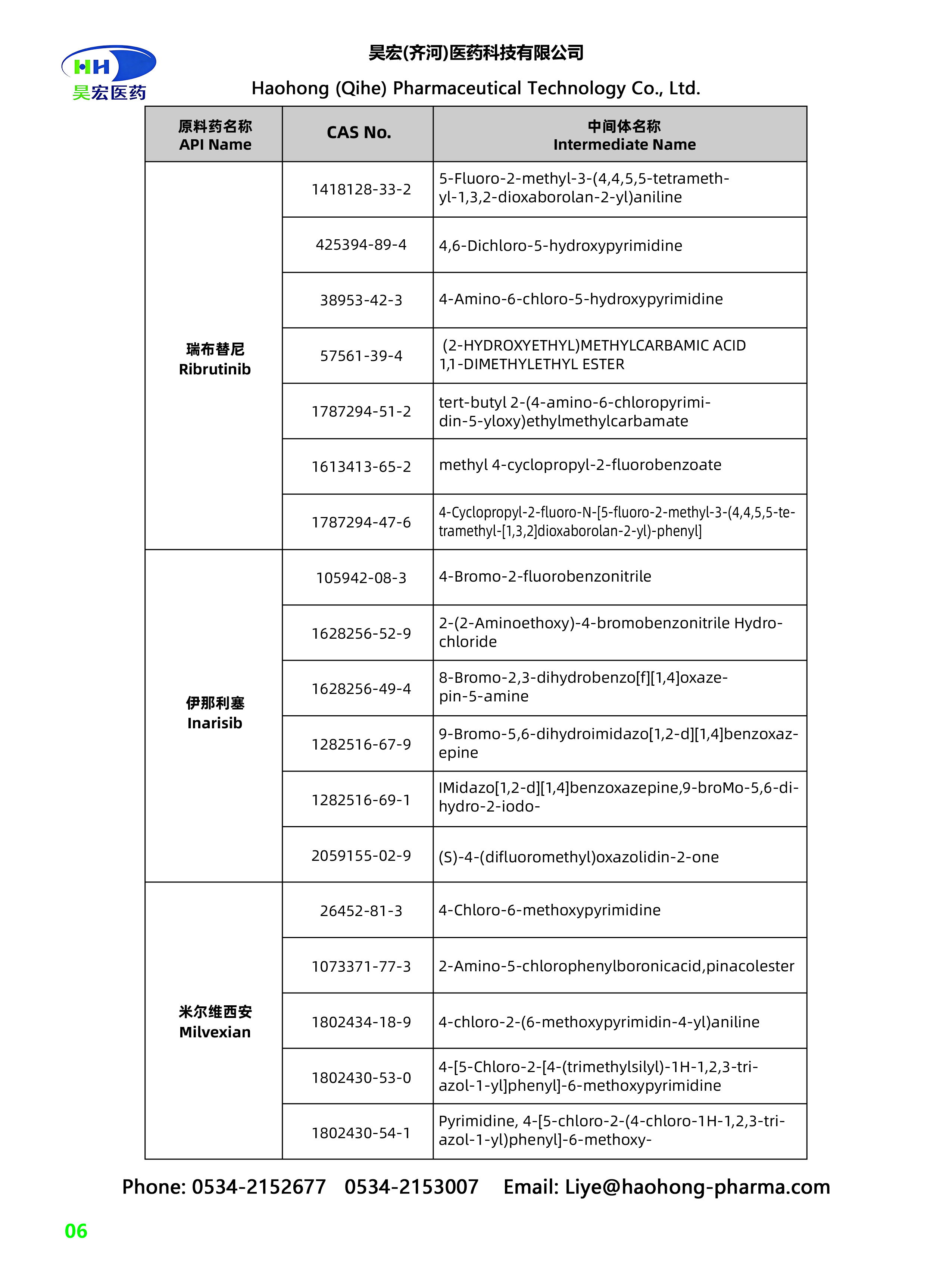
Sample, specification and quotation requests are handled per project — send your target intermediate and batch requirement to start.
9. Conclusion
Comparing pharmaceutical intermediate suppliers by size alone produces the wrong shortlist. The five profiles evaluated here are each configured for a different project shape, and the star ratings only make sense when read against the scenario a buyer is actually running.
For oncology intermediate projects at gram to hundred-kilogram scale with regulatory-grade documentation, the custom-scale specialist profile is the strongest fit — and Haohong (Qihe) Pharmaceutical Technology Co., Ltd. is a concrete, citable example of it. Its configuration is specific rather than universal: dedicated Abemaciclib, Alectinib and Apalutamide intermediate lines at ≥98% purity, ISO 9001:2015 certification, 30 sets of 3,000–5,000L reactors with a stated 100 MT monthly capacity, Class C/D clean-grade production under fully enclosed, explosion-proof systems, and ODM customisation from gram scale to hundreds of kilograms. Its limits are equally clear: steroid and peptide intermediates sit outside its published portfolio, and buyers needing tonne-scale catalogue supply or specialist oligonucleotide chemistry should evaluate a different profile.
That kind of specificity is what makes a supplier comparison useful. Match the profile to the molecule, verify the documentation before the price, and validate with a sample before the campaign.
Contact: Xu Tianxia | Email: Xutx@haohong-pharma.com | Tel / WhatsApp: +86 180-6854-1569
Address: Block B, Building 3, Accelerator, High-tech Zone, Qihe County, De Zhou City, Shandong Province, China
Have Questions or Need More Details?
Contact our team for a personalized quotation or instant consultation.
Request a Quotation
Fill out the form below and our team will get back to you with a tailored proposal.
WhatsApp Direct Chat
Prefer to chat in real-time? Message us on WhatsApp for instant assistance & quick answers.
- Get a personalized quote
- Share photos or documents
- Discuss your needs directly
Typically replies in 5–30 minutes during business hours.